

Imagine being able to serve ads directly to mobile devices that frequent your competitors’ locations and then measure which devices physically entered your leasing office.
That is the power of device targeting combined with bidstream data and geofencing.
What Is Bidstream Data?
Bidstream data refers to metadata passed in real-time bidding (RTB) auctions. This data includes details like device type, IP-based geo, screen size, and often a unique device ID.
Advertisers use this rich dataset to identify and segment devices before winning ad placement.
How Device Targeting Works
- You define geographic zones around competitor housing or popular student areas.
- Bidstream data pings devices regularly, collecting unique IDs of those that visit those zones.
- Over 1–2 weeks, you build a list of device IDs seen frequently in those zones.
- You then target those devices with specific ads via display or mobile app inventory.
From Awareness to Geofence Conversion
After identifying high-value mobile devices, you can set up a second geofence around your own location such as your leasing office or preferred check-in destination.
You then serve advertisements to these devices through programatic ad display and mobile applications that sell ad space
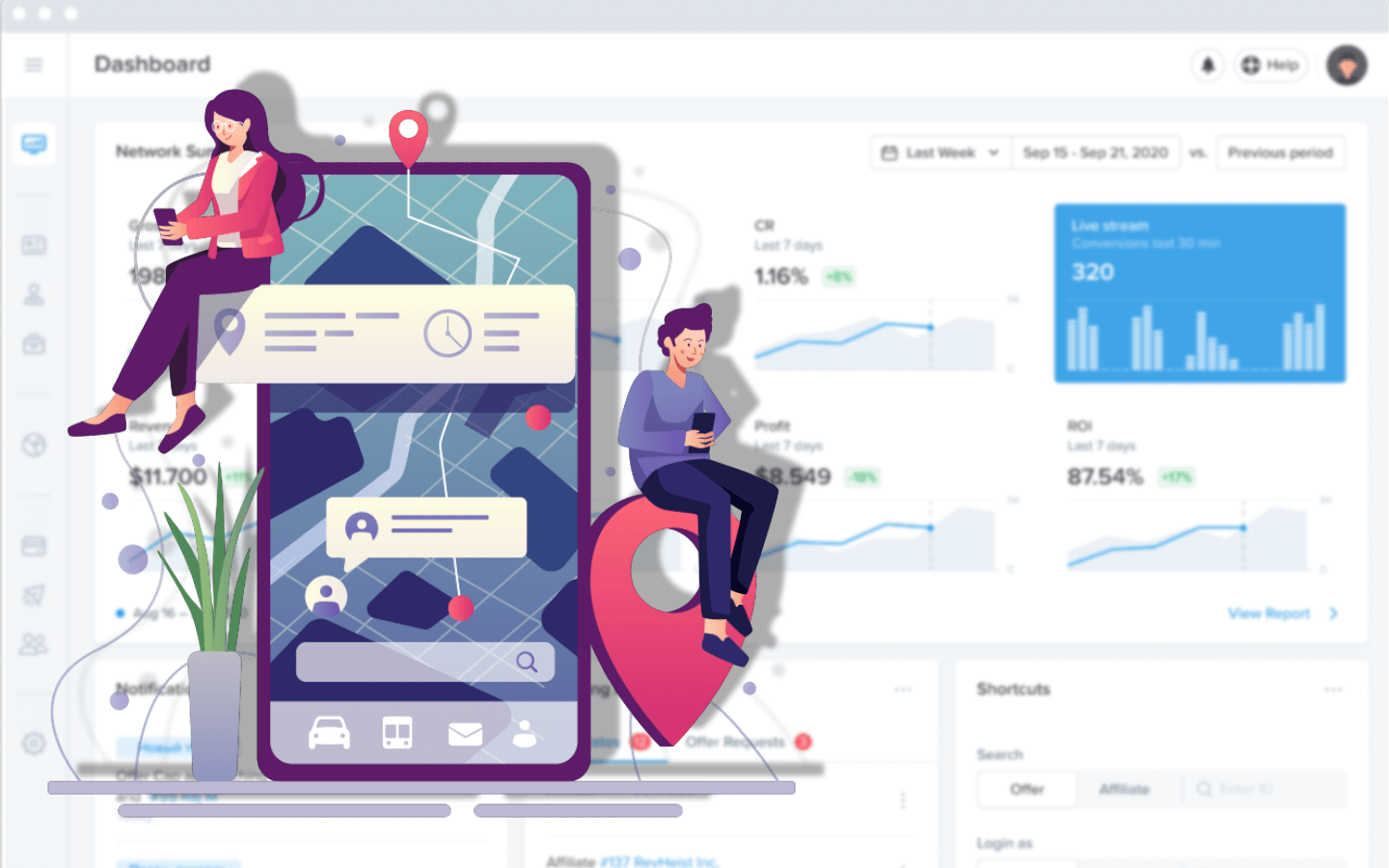
When one of the targeted devices crosses that zone, it is logged as an attributed conversion. This gives you real-world insight: not just an ad click, but physical visits to your office.
Geofencing in real estate is proving “breakthrough” for homebuilders and housing providers. Targeting competitor model homes or apartments lets you engage in-market audiences precisely.
Supporting Case Studies
Multiple sources show geofencing’s effectiveness in location-based marketing. For example:
- Geofencing at auto malls cut CPC and increased engagement dramatically.
- Real estate marketers use competitor and event geofences, driving model home visits.
Advantages of Device-Level Targeting
- Precision: Reach individuals who physically visited your competitor sites.
- Attribution: Track which devices later visited you—a true measure of campaign ROI.
- Efficiency: Bid only on impressions tied to target devices, reducing waste.
Implementation Steps
- Define Geofences: Map zones around key locations—competitors, campuses.
- Collect Bidstream IDs: Use a DSP that captures device IDs via RTB.
- Build Seed Audience: Gather IDs seen across multiple zone visits.
- Create Geo-Conversion Zone: Surround your location to track visits.
- Serve Ads: Launch campaigns targeting ids via display, mobile apps.
- Measure Conversions: Compare seed IDs to geofence visits.
Privacy and Compliance
Device targeting uses anonymous IDs. This means no personal names or PII. Users consent via app permissions. Platforms operate under privacy regulations.
Challenges and Limitations
Accuracy can drop indoors due to GPS limits and curating lists of identified devices can take a little time, but that’s part of the strategy. Large enough audience size is also critical because too few devices equals weak reach and potentially lower conversion.
DSP-level access to bidstream may require higher budgets but this can vary. Device targeting campaigns are not a substitute for current campaigns. These types of campaigns should be layered into the current digital ad strategy to provide a mid-funnel approach.
Ideal Use Cases
- Competitive Conquesting: Target devices at competitor housing.
- Campus Activation: Retarget students near other dorms.
- Open House Follow-Up: Reach visitors to open houses again online.
Conclusion
With bidstream-based device targeting and geofencing, you can take ad campaigns beyond clicks and impressions. You serve ads to devices seen at competitor properties, then measure which of them cross into your leasing office.
This method is powerful for real estate and student housing marketing. It offers precise targeting, transparent attribution, and improved ROI.
As third-party cookies fade, device-level and location targeting offers a modern, privacy-conscious way to accelerate performance marketing. Brands that use device targeting campaigns can gain a competitive edge in capturing offline attention and turn these into real-world opportunities.


